
 Your health
Dental treatment during pregnancy — what is safe and when
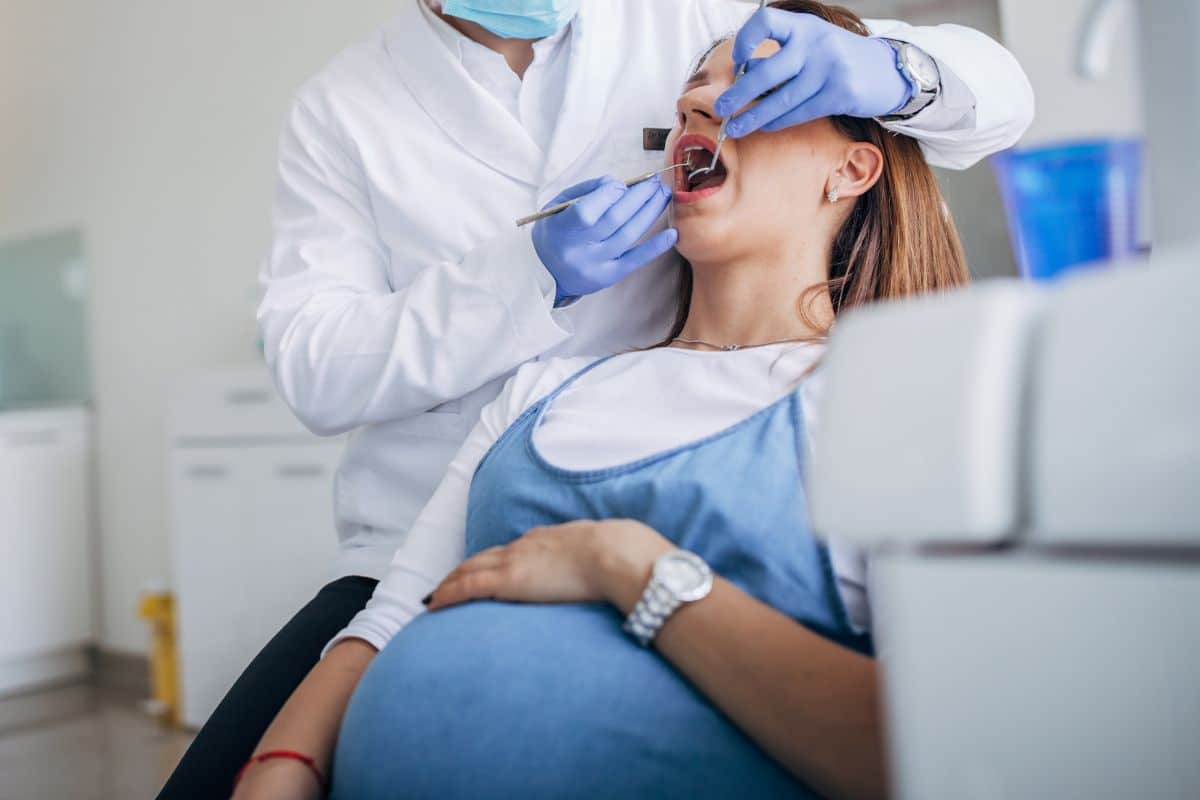
Routine dental care is safe throughout pregnancy, and cleaning and gum treatment are safe in any trimester. The second trimester is the most comfortable window for elective work. The genuinely risky choice is avoiding the dentist entirely for nine months.
Why it matters more, not less
Hormonal changes make gums react far more strongly to the same amount of plaque. Pregnancy gingivitis affects a majority of women, and there is well-established evidence linking untreated periodontal infection to pre-term birth and low birth weight. Morning sickness adds stomach acid to the equation, which erodes enamel.
What is safe, by trimester
- First trimester — cleaning, gum treatment, and any emergency. Elective work is usually deferred, mainly for comfort rather than risk.
- Second trimester (14–27 weeks) — the ideal window. Fillings, root canals, extractions and cleaning are all appropriate.
- Third trimester — cleaning and emergencies. Long appointments become uncomfortable lying flat, and we position you on your left side with support.
Dental X-rays
A digital dental X-ray directs a very small dose at your jaw, not your abdomen, and with a lead apron and thyroid collar the dose reaching the uterus is effectively negligible. Professional guidance worldwide considers necessary dental X-rays acceptable in pregnancy. We still take them only when the image changes what we would do.
Anaesthetic and medication
Local anaesthetic is safe and is used routinely in pregnancy — being in pain is worse for both of you than the injection. For pain relief afterwards, paracetamol is the standard choice. Avoid ibuprofen and other NSAIDs, particularly in the third trimester, unless your obstetrician says otherwise. Tetracycline antibiotics are avoided because they stain the developing teeth.
Tell us you are pregnant and how many weeks at booking, not at the appointment. It changes scheduling, positioning and prescribing.
A lump on the gum
A red, soft lump that bleeds easily, usually between two teeth, is called a pregnancy epulis. It is harmless and usually shrinks after delivery. It should still be looked at, and cleaning it around helps. It is only removed if it interferes with eating.
The old wives' tale
"You lose a tooth for every child" is not true, and it is not calcium being drawn from your teeth. Tooth enamel does not give up minerals to the baby. What actually happens is more frequent eating, more vomiting, and gums that bleed so people brush them less — which is entirely preventable.
Book a pregnancy dental check-up
Tell us your due date when booking and we will plan around it.