
 Dental Care
Can Cavities Come Back After Filling? Reasons Your Tooth May Hurt Again
Getting a dental filling is a common way to treat a cavity and restore a damaged tooth. But what happens when the same tooth starts hurting again?
Many patients immediately wonder whether the cavity has come back. While recurrent decay is one possibility, tooth pain after a filling can happen for several other reasons. Some sensitivity can be temporary, but pain that continues or becomes worse deserves professional attention.
Is Some Sensitivity Normal After a Filling?
Yes. A tooth can sometimes feel sensitive after a filling, particularly when you eat something hot, cold, or sweet. This can happen because the tooth and surrounding tissues may need some time to settle after treatment.
For many people, the sensitivity gradually becomes less noticeable. However, persistent or increasing pain should not be ignored.
Why Does a Tooth Hurt After a Filling?
There are several possible reasons why a tooth may hurt after receiving a dental filling.
The Original Decay Was Deep
If the cavity was very deep and close to the nerve, the tissues inside the tooth may remain irritated after treatment. You may experience sensitivity or discomfort even though the cavity itself has been treated.
The Filling Is Slightly High
Sometimes a filling may sit slightly higher than the surrounding tooth. This means the treated tooth receives extra pressure whenever you bite. This can cause pain while biting or chewing and may be corrected by adjusting the filling.
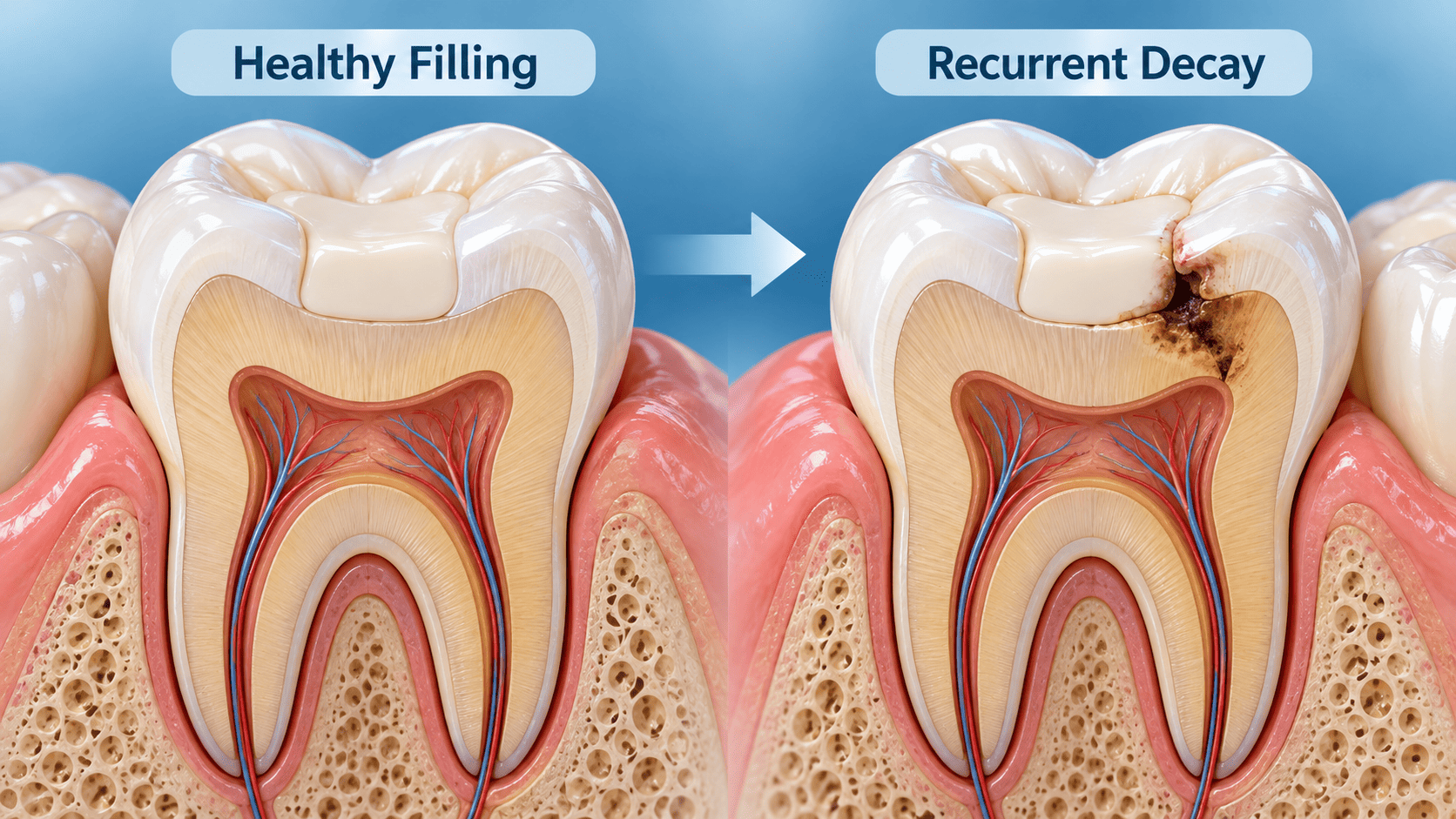
Recurrent Tooth Decay
A filling does not make a tooth permanently protected from future cavities. If bacteria and plaque build up around the restoration, new decay can develop around the filling. Poor oral hygiene and frequent consumption of sugary foods can increase this risk.
Cracked or Damaged Tooth
A crack in the tooth can also cause pain after a filling. You may notice a sharp sensation when biting or releasing your bite. In this situation, the problem may not be with the filling itself but with the remaining natural tooth structure.
Can a Cavity Come Back After a Filling?
Yes. A new cavity can develop around a filling if the tooth continues to be exposed to bacteria and acids.
A filling repairs the damaged portion of the tooth, but the remaining natural tooth still needs proper care. Brushing twice a day, cleaning between your teeth, limiting frequent sugar intake, and maintaining regular dental check-ups can help reduce the risk of recurrent decay.
When Should You Be Concerned?
You should contact a dentist if you experience severe toothache, prolonged sensitivity, pain while biting, swelling, or pain that continues instead of improving.
Pain that wakes you at night or becomes stronger over time may indicate that the tooth needs further evaluation.
- Severe or persistent toothache.
- Sensitivity that continues or becomes worse.
- Pain while biting or chewing.
- Swelling around the affected tooth or gums.
- Pain that wakes you up at night.
- Increasing discomfort after the filling.
What Treatment May Be Needed?
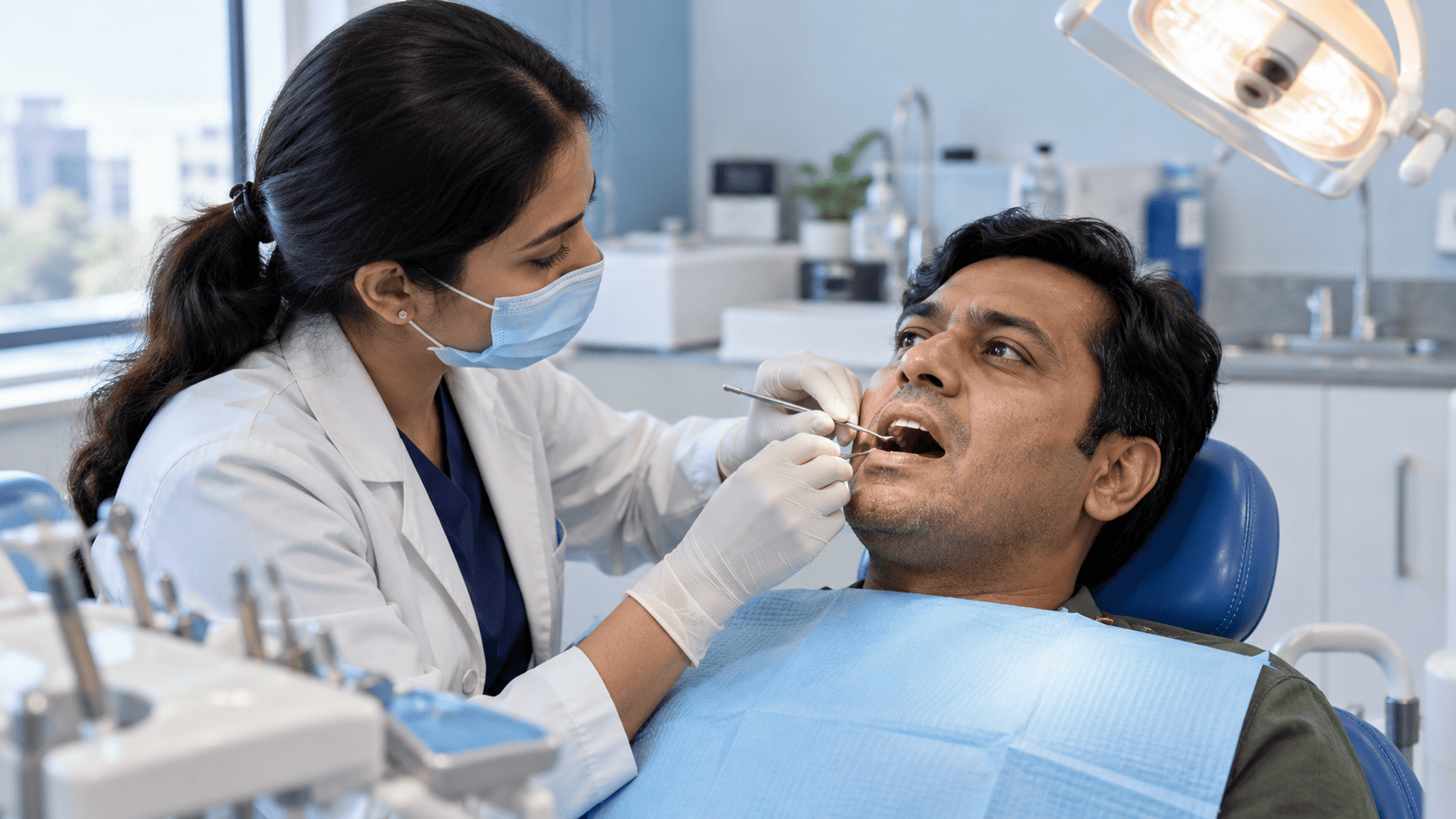
The dentist may examine the filling, check your bite, assess the tooth, and take an X-ray if required.
If the filling is causing the problem, it may be adjusted or replaced. If new decay has developed, another restoration may be necessary. If decay or infection has reached the inner part of the tooth, Root Canal Treatment may be required to remove the infected tissue and save the tooth.
How Can You Protect a Filled Tooth?
A filled tooth still needs the same care as your natural teeth. Brush twice daily, clean between your teeth, avoid frequent sugary snacks, and attend regular dental check-ups.
- Brush your teeth twice daily with fluoride toothpaste.
- Clean between your teeth regularly.
- Avoid frequent sugary snacks and drinks.
- Maintain regular dental check-ups.
- Pay attention to persistent tooth sensitivity.
- Seek dental advice if pain develops after a filling.
Do not wait until mild sensitivity becomes severe pain. Early diagnosis can often mean simpler treatment.
How DentoXpert Can Help
At DentoXpert Dental Clinic in Thane, dentists assess tooth pain after fillings to determine whether the cause is temporary sensitivity, a filling-related problem, recurrent decay, or deeper tooth damage.
Depending on the findings, treatment may include filling adjustment, replacement, restorative treatment, or Root Canal Treatment where required.
Conclusion
Tooth pain after a filling does not always mean that the cavity has returned, but persistent or worsening discomfort should be checked.
Early diagnosis can help identify the cause and protect the treated tooth. If you are experiencing tooth pain after a filling, consult DentoXpert Dental Clinic in Thane for professional evaluation.
Book a Dental Consultation
Experiencing tooth pain, sensitivity, or discomfort after a dental filling? Visit DentoXpert Dental Clinic in Thane for a professional dental examination and appropriate treatment.