
 Dental Care
Sensitive Teeth After Scaling: Is It Normal and How Long Does It Last?
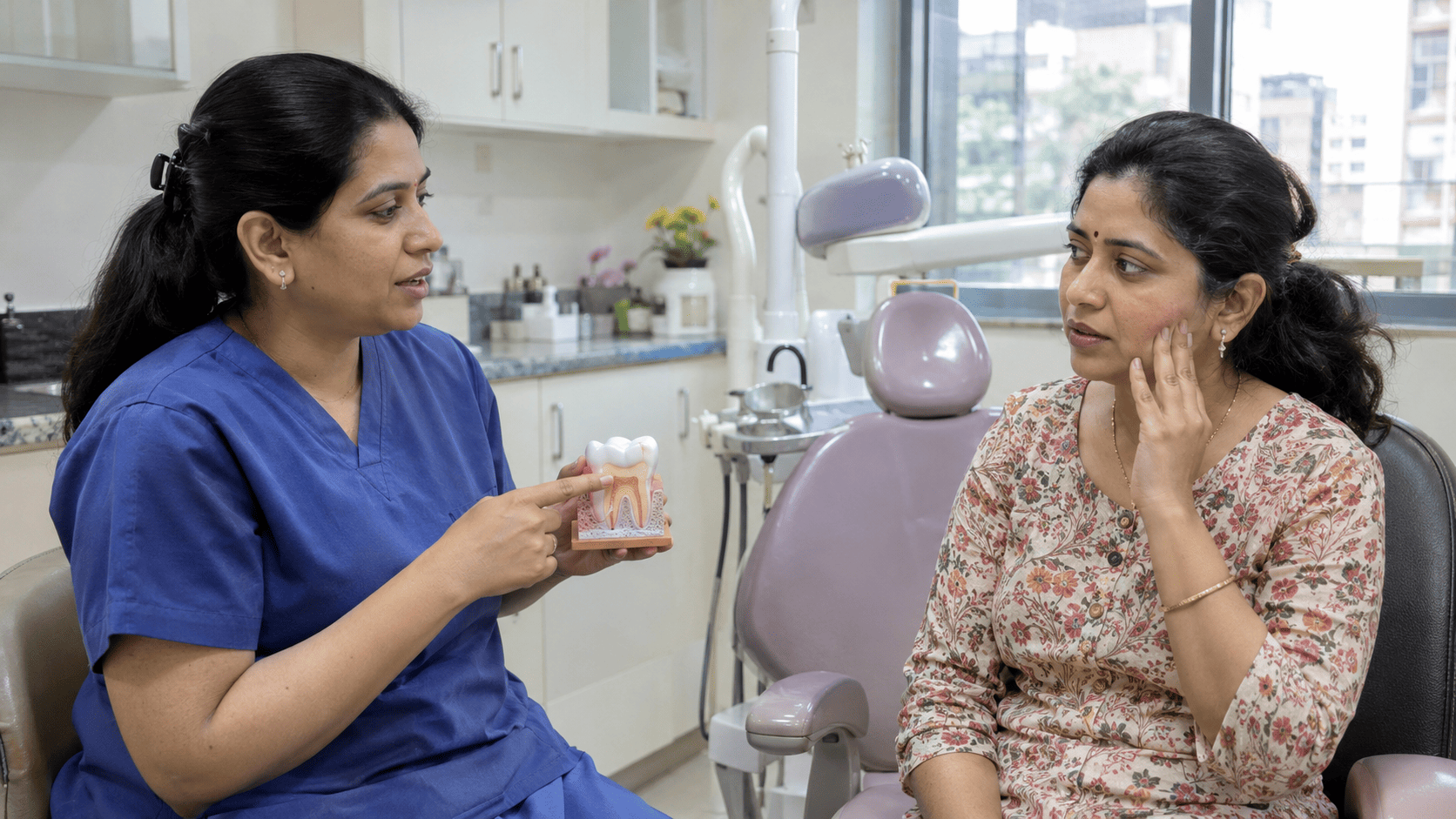
Have you recently had your teeth professionally cleaned and noticed tooth sensitivity after scaling? You may feel a sharp sensation when drinking cold water, eating ice cream, or having hot food.
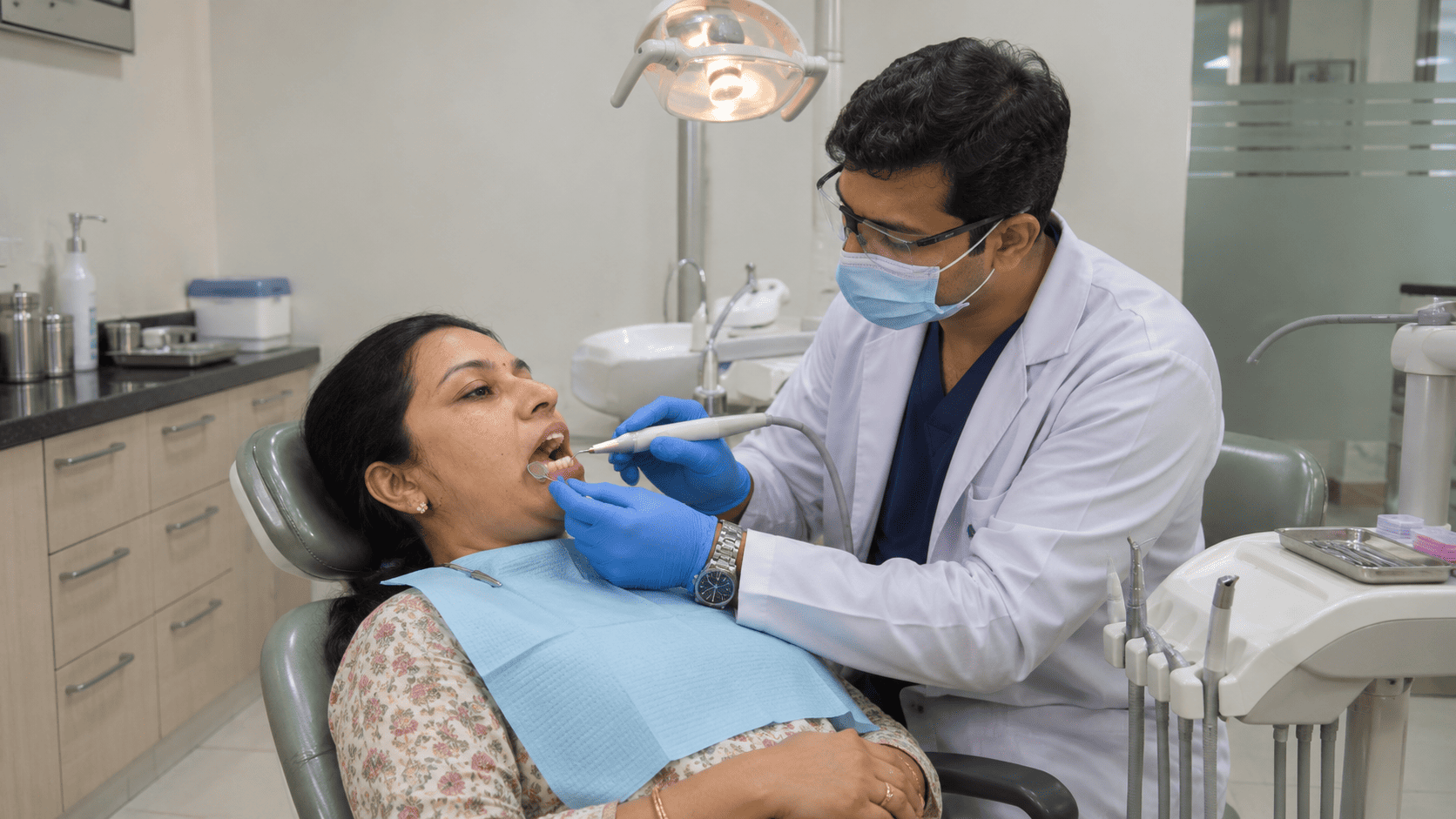
For some patients, mild sensitivity after scaling is normal and temporary. Scaling removes plaque and hardened tartar from the teeth, including deposits that have built up around the gum line. Once these deposits are removed, areas that were previously covered may become exposed, making the teeth temporarily feel more sensitive.
Why Do Teeth Feel Sensitive After Scaling?
The amount of sensitivity depends on your existing oral health and the amount of plaque and tartar present.
If you have significant tartar buildup, gum inflammation, or gum recession, cleaning may expose parts of the tooth that are naturally more sensitive.
Sensitivity may also be more noticeable if you already have:
- Worn tooth enamel.
- Gum recession.
- Exposed tooth roots.
- Existing sensitive teeth.
- Gum inflammation.
This does not necessarily mean that scaling has damaged your teeth.
How Long Does Sensitivity Last After Scaling?
For many patients, sensitivity improves within a few days. The exact duration can vary depending on the condition of the teeth and gums.
If the sensitivity gradually becomes less noticeable, it is generally not a reason for concern. However, severe or persistent sensitivity should be evaluated because it may indicate another dental problem.
For example, if one particular tooth remains highly sensitive after cleaning, the cause could be a cavity, cracked tooth, exposed root, or another underlying issue unrelated to scaling.
What Should You Eat After Scaling?
If your teeth feel sensitive, it may help to avoid extremely hot or cold foods for a short period. Very sugary or acidic foods may also trigger discomfort.
Choose foods and drinks at a comfortable temperature and drink enough water. You do not need to stop brushing because of sensitivity. Instead, use a soft-bristled toothbrush and gentle brushing technique.
Can Toothpaste Help With Sensitivity?
A toothpaste designed for sensitive teeth may help reduce discomfort for some people when used regularly.
The important thing is to continue brushing gently. Avoid applying excessive pressure because aggressive brushing can contribute to enamel wear and gum recession, both of which can increase sensitivity.
If sensitivity does not improve, a dentist can determine whether additional treatment is needed.
Is Sensitivity After Scaling a Sign of Damage?
Usually, temporary sensitivity after scaling does not mean your teeth have been damaged. Scaling is performed to remove plaque and tartar that cannot be completely removed through normal brushing.
If there was significant buildup, your teeth may simply feel different after the deposits have been removed.
However, severe pain or sensitivity that continues for a long time should not automatically be blamed on scaling. A dental examination can help rule out other problems.
Why Is Regular Scaling Important?
Plaque is a soft layer of bacteria that naturally forms on your teeth. If it is not removed properly, it can harden into tartar.
Tartar cannot be completely removed by regular brushing, and it can contribute to gum inflammation and other oral health problems.
Professional scaling helps remove these deposits and supports healthier gums and teeth. Regular cleaning, together with good home care, can help maintain long-term oral health.
When Should You Visit a Dentist?
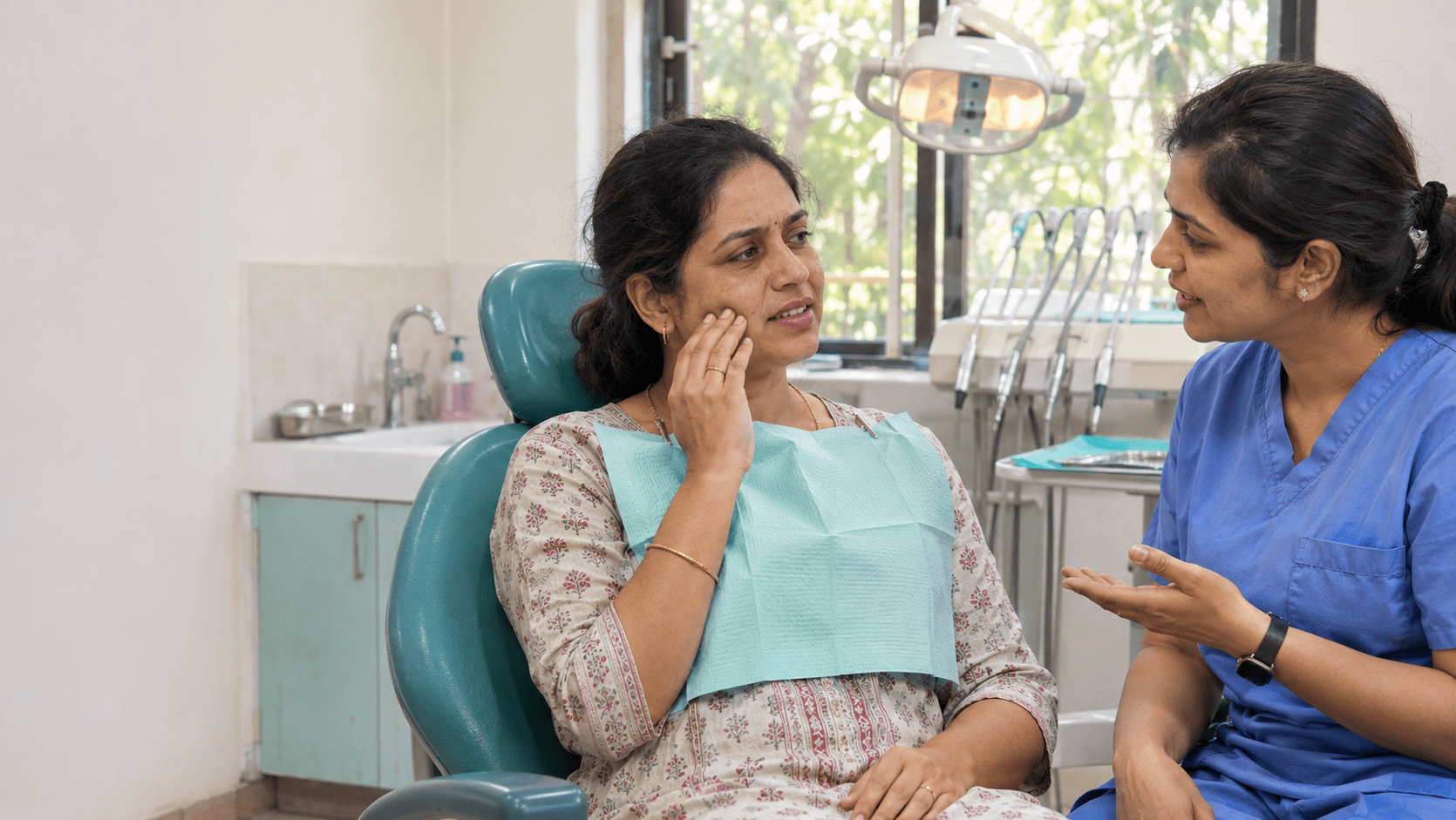
Consult a dentist if sensitivity:
- Continues for an extended period.
- Becomes more severe.
- Affects one particular tooth.
- Is accompanied by swelling.
- Occurs with severe toothache.
- Makes eating or drinking difficult.
A professional examination can determine whether the sensitivity is related to scaling or another underlying dental problem.
How DentoXpert Can Help
At DentoXpert Dental Clinic in Thane, professional scaling and polishing can help remove plaque and tartar and support healthier gums.
If sensitivity occurs after cleaning, the teeth and gums can also be evaluated to determine whether additional treatment is required.
The aim is to maintain healthy teeth and gums while helping patients understand and manage temporary sensitivity after dental cleaning.
Conclusion
Mild tooth sensitivity after scaling is common and usually improves within a few days.
Gentle brushing, avoiding extreme temperatures, and maintaining good oral hygiene can help during recovery.
If sensitivity continues or becomes severe, consult DentoXpert Dental Clinic in Thane for a proper dental evaluation.
Book a Dental Consultation
Experiencing tooth sensitivity or discomfort after scaling? Visit DentoXpert Dental Clinic in Thane for a professional dental examination and appropriate advice.