
 Dental Care
Tooth Abscess: Signs of Infection and Why It Should Not Be Ignored
A tooth abscess is a painful infection that develops when bacteria enter the inner part of a tooth or the surrounding gum tissue. It can develop because of an untreated cavity, a cracked tooth, gum disease, or dental injury. While some people may try to manage the pain temporarily, an abscess should not be ignored because the infection can become more serious if left untreated.
The pain may begin as mild discomfort and gradually become stronger. Some people experience constant throbbing pain, while others notice pain mainly when chewing. Swelling, tooth sensitivity, bad taste in the mouth, or pus around the gums can also indicate an infection.
At DentoXpert Dental Clinic in Thane, patients experiencing tooth pain or swelling can receive a proper dental examination to identify the cause and determine the appropriate treatment.
What Causes a Tooth Abscess?
One of the most common causes is deep tooth decay. When a cavity is left untreated, bacteria can gradually reach the inner part of the tooth, where the nerves and blood vessels are located. This can result in inflammation and infection.
A cracked or broken tooth can also allow bacteria to enter the deeper parts of the tooth. Advanced gum disease may create spaces around the teeth where bacteria can collect and cause infection.
- Untreated cavities.
- Deep tooth decay.
- Cracked or damaged teeth.
- Gum infection.
- Dental injury.
- Poor oral hygiene.
Treating dental problems early can significantly reduce the risk of an infection developing.
What Are the Signs of a Tooth Abscess?
The symptoms of a dental abscess can vary depending on the location and severity of the infection. Common signs include severe toothache, pain while chewing, sensitivity to hot or cold foods, swelling around the gums, bad taste in the mouth, and tenderness around the affected tooth.
- Severe or throbbing toothache.
- Pain while biting or chewing.
- Sensitivity to hot or cold foods.
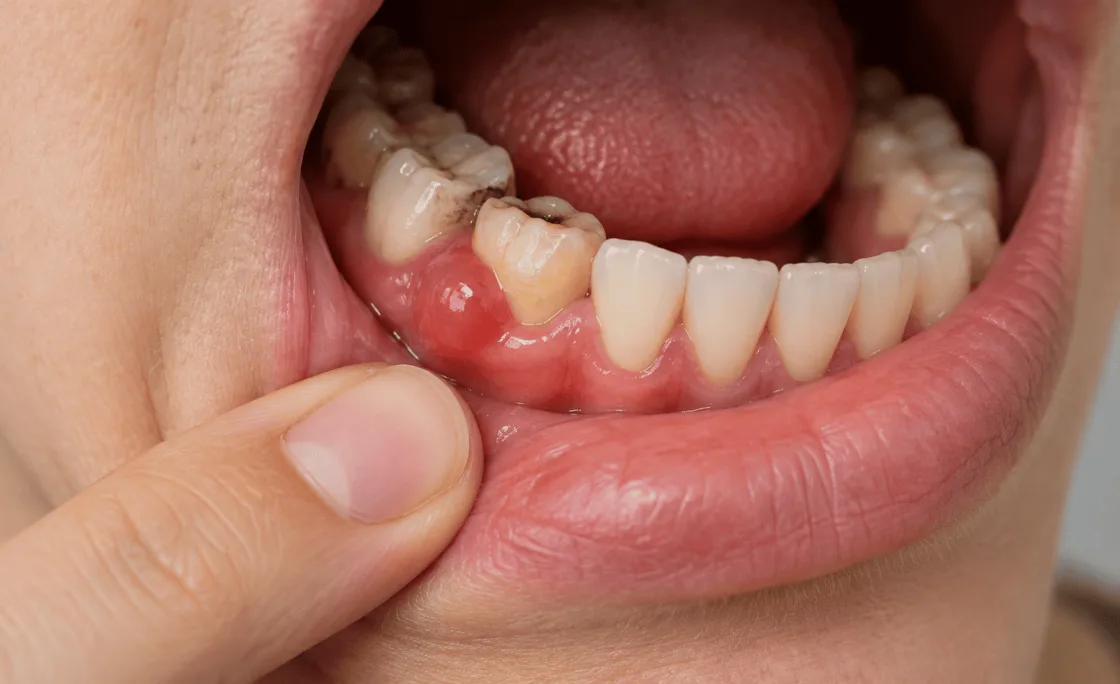
- Swelling around the gums.
- Bad taste in the mouth.
- Tenderness around the affected tooth.
- Pus or a pimple-like bump on the gum.
- Swelling that may spread to the cheek or face.
- Fever or general weakness.
Some people may notice a small swelling or pimple-like bump on the gum. If pus drains from the area, the pressure and pain may temporarily decrease. However, this does not mean the infection has gone away.
If the infection becomes more serious, swelling may spread to the cheek or face. Fever and general weakness may also occur.
Can a Tooth Abscess Go Away on Its Own?
A tooth abscess does not usually heal on its own. Even if the pain becomes less intense, the infection may still be present. Sometimes an abscess drains and reduces pressure around the tooth, making you feel better temporarily.
However, the bacteria causing the infection can remain inside the tooth or surrounding tissues. Leaving an abscess untreated can allow the infection to spread and make treatment more complicated.
Persistent tooth pain, swelling, or pus should therefore be examined by a dentist.
How Is a Tooth Abscess Treated?
Treatment depends on the source and severity of the infection and whether the natural tooth can be saved. The main goal is to treat the source of the infection rather than simply providing temporary pain relief.
1. Root Canal Treatment
If the infection is inside a tooth that can still be restored, Root Canal Treatment may be recommended. The infected tissue is removed, the inside of the tooth is cleaned, and the tooth is sealed and restored.
2. Tooth Extraction
If a tooth is severely damaged and cannot be saved, extraction may sometimes be necessary. A suitable tooth replacement option can then be considered.
3. Gum Treatment
When the infection is related to gum disease, treatment may focus on cleaning the affected areas and improving gum health.
4. Abscess Drainage
In some cases, the dentist may need to drain the collected pus to relieve pressure and help manage the infection. Additional treatment may still be necessary to address the underlying cause.
Antibiotics may be prescribed when clinically indicated, particularly if the infection is spreading or there are systemic symptoms. However, antibiotics alone do not replace treatment of the infected tooth or gum tissue.
What Happens If You Ignore a Tooth Abscess?
Ignoring a dental infection can allow it to become more serious. The infection may spread to the tissues surrounding the tooth, causing increased swelling and discomfort.
An untreated abscess can eventually lead to damage to the supporting tissues, tooth loss, or a more widespread infection.
- Damage to the tissues supporting the tooth.
- Increased pain and swelling.
- Tooth loss.
- Spread of infection to surrounding tissues.
- More complicated dental treatment.
Getting treatment early can help control the infection and may improve the chances of saving the natural tooth.
When Should You Seek Urgent Dental Care?
Persistent tooth pain, gum swelling, pus, or pain while chewing should be evaluated by a dentist.
- Persistent or severe tooth pain.
- Swelling around the tooth or gums.
- Pus or a pimple-like bump on the gums.
- Pain while biting or chewing.
- Bad taste in the mouth.
- Fever or facial swelling.
Significant facial swelling or fever with a suspected dental infection requires urgent assessment. Difficulty swallowing or breathing requires immediate emergency medical care because the infection may have spread.
How Can You Prevent a Tooth Abscess?
Good oral hygiene is one of the best ways to reduce the risk of dental infections. Maintaining healthy teeth and gums can help prevent bacteria from reaching deeper parts of the tooth.
- Brush twice a day using fluoride toothpaste.
- Clean between your teeth daily.
- Limit frequent sugary foods and drinks.
- Maintain regular dental check-ups.
- Treat cavities and damaged teeth early.
- Seek treatment for gum problems.
- Avoid ignoring persistent tooth pain.
Treating cavities, damaged teeth, and gum problems early can also help prevent bacteria from reaching deeper parts of the tooth.
How DentoXpert Can Help
At DentoXpert Dental Clinic in Thane, the affected tooth is examined to understand the source and extent of infection. Depending on the condition, treatment may include Root Canal Treatment, dental restoration, professional cleaning, or gum treatment.
The focus is on controlling the infection, relieving discomfort, and preserving the natural tooth whenever possible.
Conclusion
A tooth abscess is a sign of infection and should not be ignored, even if the pain temporarily becomes less noticeable. Early treatment can prevent complications and may help save the affected tooth.
If you experience tooth pain, swelling, or pus around your gums, consult DentoXpert Dental Clinic in Thane for timely dental care.
Book a Dental Consultation
Experiencing tooth pain, gum swelling, or signs of a dental infection? Book an appointment at DentoXpert Dental Clinic in Thane for a professional dental examination and appropriate treatment.